Just How Artificial Roof Tiles Aid Prevent Water Breach and Roof Decay
Water seldom introduces itself when it first surpasses a roof. It starts silently, frequently as a pinhole path at a fastener, a lifted side at a ridge, or a fallen short flashing where two materials meet. By the time a homeowner notices a discolor on drywall or a stuffy odor in the attic, the issue has generally moved well beyond the surface area. Wet outdoor decking, softened underlayment, mold growth, rusted nail heads, and harmed insulation often tend to show up long before a ceiling area appears.
That is why material option issues so much. A roof is not simply an ornamental skin. It is a water administration system under consistent tension from sun, wind, freeze-thaw cycles, and seasonal debris. Artificial roofing shingles have gained grip for a reason. When designed and set up appropriately, they supply a solid protection against the tiny failures that usually cause significant moisture problems and roof decay.
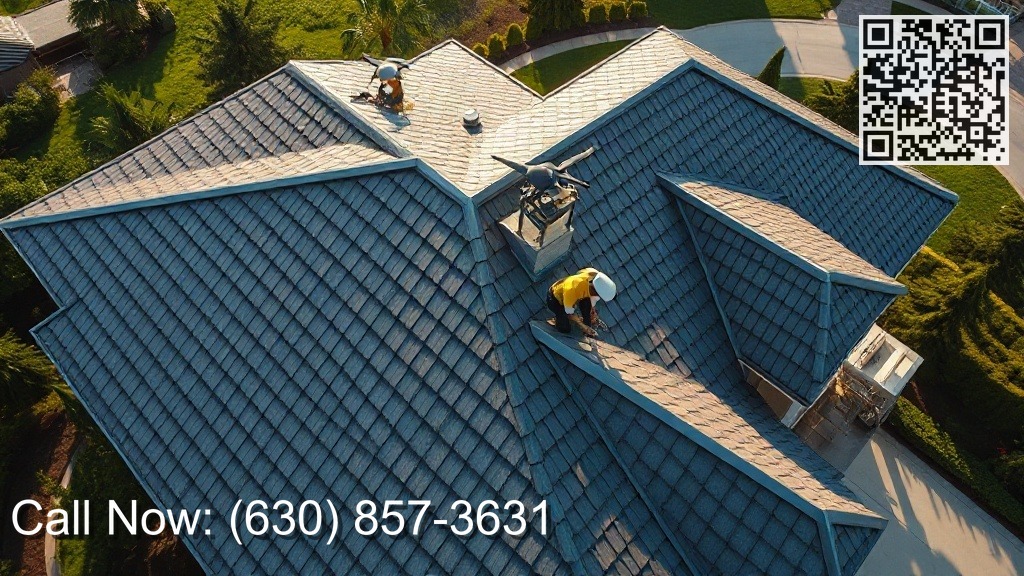
Homeowners looking at artificial roofings are usually stabilizing appearance, life expectancy, maintenance, and weather condition resistance. In higher-end neighborhoods, especially where owners desire the look of slate or cedar without the exact same frailty or upkeep, building synthetic roof covering has actually become a serious competitor. I have seen that shift take place not as a result of marketing language, yet since homeowner are tired of duplicating repair work on materials that look gorgeous yet leave too many chances for water to obtain in.
Water intrusion starts at the weak points
Most roofing systems do not fail simultaneously. They stop working at changes and information. Valleys lug heavy water quantity. Smokeshafts disrupt the field of the roofing. Pipe penetrations depend upon boots and sealants that age. Edges catch wind uplift. Ice dams back water uphill underneath roofing coverings in cooler climates. In places with snow, wind, and quick temperature level swings, these weak points are examined constantly.
Traditional roof covering products can execute quite possibly, but each has vulnerabilities. Natural timber can split, curl, or absorb dampness. Some standard tiles shed granules, fracture, or become weak after years of ultraviolet exposure. All-natural slate is long lasting, however it can damage under impact or foot web traffic, and fixings commonly become specialized and expensive. Once private items crack or shift, water starts utilizing those small openings.
Synthetic roof covering roof shingles are crafted to minimize numerous of those risks at the same time. They are usually made from advanced polymer blends, recycled composite products, or rubber-plastic formulas made for dimensional stability. That stability issues. A roof item that resists fracturing, splitting, and warping is much less most likely to open a path for water.
The phrase premium artificial roof covering gets made use of often, and sometimes too freely, however at the far better end of the classification, the advantages are genuine. Higher-grade items often tend to have tighter production tolerances, much better impact ratings, more powerful side accounts, and more consistent accessory efficiency. Those are not showy functions from the street. They are the concealed information that maintain rain outside.
Why the shingle itself matters less than the whole shedding system
People typically concentrate on the noticeable roof shingles and ignore how the roof covering actually shields your home. An excellent roofing system sheds water in layers. The noticeable shingles are the initial line. Below them, underlayment gives backup defense. Flashings straight water far from prone joints. Air flow minimizes dampness buildup from inside the home. Correct fastening holds the area intact in wind. Starter materials and ridge parts close spaces at the sides and peaks.
The ideal artificial roofing systems are built with this layered technique in mind. A well-made artificial tile usually has a profile that urges drain, overlap measurements that decrease exposure, and fastening zones that assist installers secure the product without developing preventable weak points. When a maker has actually done the design and the installer complies with that system thoroughly, the roofing system ends up being far more resistant to invasion than a patchwork approach developed from mismatched components.
This is one factor a respectable artificial roof business matters. Product top quality matters, but system discipline counts equally as much. I have actually seen excellent products underperform because a crew treated them like a generic asphalt setup, rushed flashing job, or neglected air flow modifications. Water found those faster ways quickly.
How artificial tiles resist the conditions that lead to decay
Roof decay is hardly ever just about rain. It has to do with sustained moisture, entraped moisture, and duplicated wetting that never ever gets a chance to dry properly. Synthetic roof covering tiles assist on several fronts.
First, they are normally non-porous or far less absorbing than natural timber products. That implies they do not handle water similarly cedar shake can. Less absorption indicates less swelling, much less shrinking, and less possibilities for form changes that open up joints.
Second, numerous synthetic products take care of effect well. Hail, dropping branches, and foot web traffic can develop cracks in even more breakable products. Even a tiny fracture can end up being a water access point. Much better artificial roof shingles typically flex instead of snap, which aids maintain the water-shedding surface.
Third, they have a tendency to preserve a more consistent shape with seasonal swings. In climates with hot summertimes and freezing winters months, dimensional motion can loosen elements with time. Steady products lower that cycle of movement and stress.
Fourth, lighter weight assists in some applications. All-natural slate and ceramic tile enforce substantial architectural loads. Synthetic options that simulate their look commonly consider much much less, which can simplify an artificial roof replacement and minimize the demand for structural support. That lighter weight does not straight stop leakages, yet it commonly allows for more practical upgrades, cleaner setup, and safer repair work gain access to over the life of the roof.
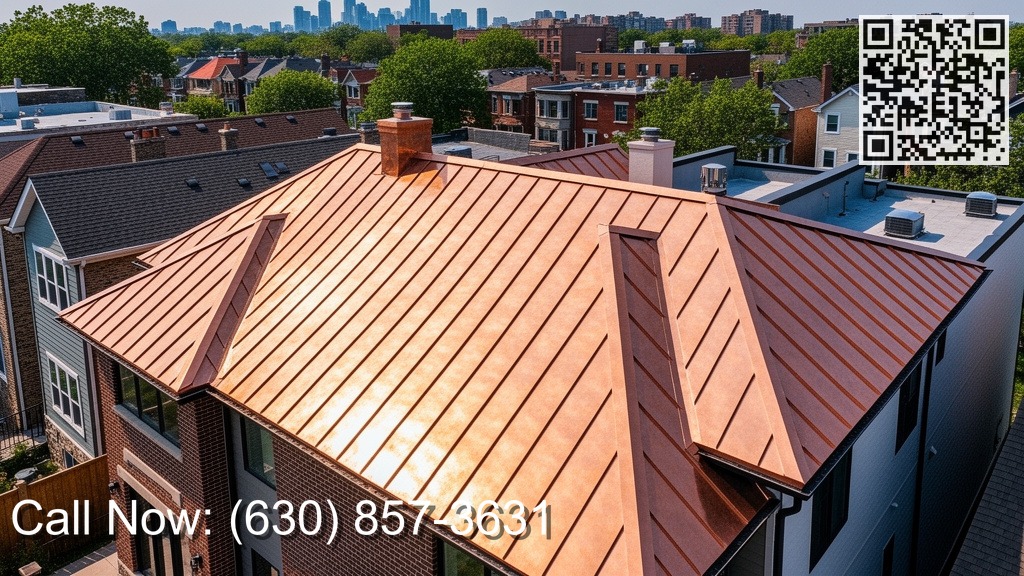
Finally, most of these products are manufactured with resistance to rot, pest task, and wetness deterioration. That does not make them unyielding, and it certainly does not suggest the roof covering assembly can not leak, however it eliminates one significant failing mode discovered in natural materials.
Freeze-thaw climate subjects every mistake
In the Midwest, and especially around the Chicago area, freeze-thaw biking is relentless. A little water that gets involved in the incorrect location throughout the day can freeze overnight, expand, and force products apart. Then the following thaw lets in more water. Repeat that enough times and even a modest defect ends up being a fixing call.
That is one factor synthetic roof covering Chicago property owners frequently select has a tendency to be driven by performance rather than look alone. Ice dams, blowing snow, sideways rain off the lake, and spring storm debris are not abstract problems below. They are yearly realities. An artificial roofer Chicagoland home owners trust usually invests as much time talking about flashings, attic air flow, and underlayment as concerning the tiles themselves, since local weather condition punishes incomplete planning.
In Naperville and neighboring suburban areas, the same logic applies. A client considering synthetic roof covering Naperville IL alternatives may start by desiring the look of hand-split cedar or slate. The conversation typically strengthens once they comprehend just how much water management depends on side details, ventilation balance, and durability during winter season storms. The visual upgrade is appealing, but the reduction in leak danger is typically what shuts the decision.
The duty of overlap, profile, and attachment
The shape of a tile affects more than curb allure. It influences just how water conforms the roof and exactly how most likely it is to find a method beneath. Better synthetic products are designed with water-shedding geometry in mind. The overlaps are not approximate. The thickness at edges, the interlock or positioning features in some designs, and the exposure dimensions all influence performance.
Attachment issues equally as much. If a roof shingles is under-fastened, over-fastened, or nailed outside the designated area, wind can distort it or lift it enough to admit driven rainfall. That is why synthetic roof installers need product-specific training. A product that looks simple from the ground can have precise fastening patterns and spacing requirements that differ from traditional roof shingles or natural products.
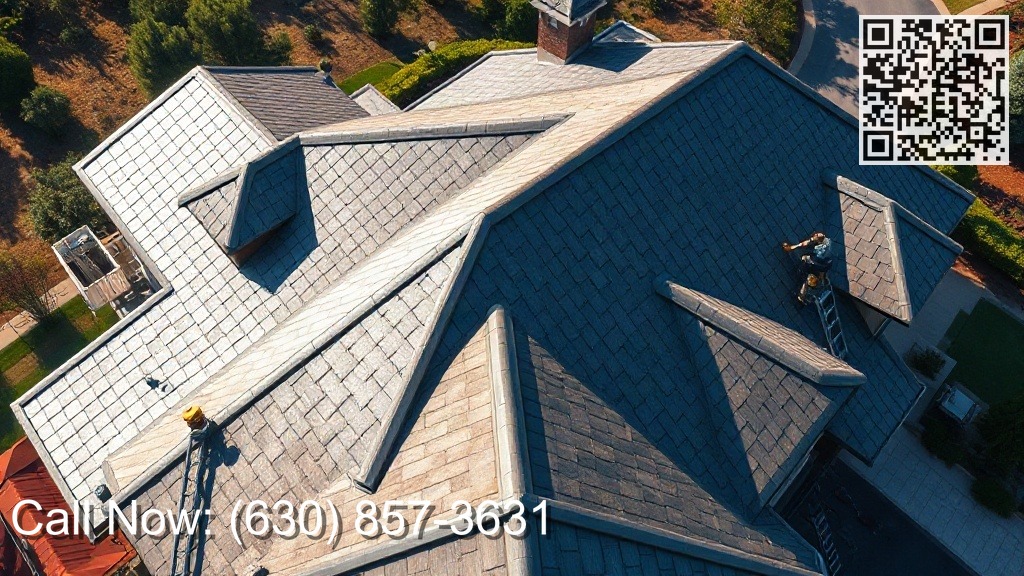
I keep in mind a repair service evaluation on a big customized home where the proprietors thought the synthetic item itself had actually failed. The issue ended up being installer error. Bolts were placed too expensive, several ridge details were improvised, and chimney flashing had been tucked in cosmetically instead of incorporated appropriately. The roof shingles still looked almost brand-new, but water had been getting in for more than a season. The lesson was clear. Costs product can not rescue negligent installation.
Synthetic roof covering and high-end homes
There is a reason synthetic roof covering for deluxe homes has expanded so promptly. High-end homes commonly have complex rooflines, high pitches, dormers, turrets, long valleys, and attractive details that increase leak possibilities. They also have a tendency to include interior coatings that are costly to fix when moisture gets in. A stain on drywall is one point. Water migrating into personalized millwork, plaster, insulation behind rock veneer, or cathedral ceiling assemblies is another.
Architectural artificial roofing fits this market well since it can duplicate premium all-natural materials while improving impact resistance and minimizing maintenance. On a large home, that upkeep difference accumulates quick. Less busted pieces, fewer moisture-related repair services, and much easier sourcing for future service work all help preserve the building envelope.
Aesthetics still matter. Owners desire shadow lines, texture, and dimensional depth. The far better items deliver that. Yet the practical win is that these roof shingles are commonly a lot more flexible in harsh weather than the products they mimic. That does not suggest every artificial item belongs on every deluxe home. Some lower-grade lines look level up close or lack the heft expected on a premium property. Still, when the right product is selected, the mix of look and wetness protection is hard to ignore.
Where leaks still take place, despite having great materials
No roof covering product gets rid of all risk. Water invasion can still occur on artificial roofings if the layout or installation is weak. The most common difficulty spots know throughout all roofing types:
- Chimneys, skylights, and pipes penetrations with badly integrated blinking
- Valleys where high water volume bewilders shortcuts in underlayment or metal work
- Eaves prone to ice damming without appropriate membrane layer defense
- Ridge and hip information where ventilation elements are set up incorrectly
- Transitions right into walls, dormers, or low-slope areas that need different waterproofing techniques
Those weak points are why a skilled artificial roofing contractor approaches the job as an envelope system, not a shingle swap. The best crew should be asking about attic humidity, insulation deepness, existing deck condition, washroom air vent discharge, seamless gutter capacity, and just how water leaves the residential property after it reaches the ground. If they are only speaking color and style, they are avoiding the real protection work.
Installation top quality chooses whether the roofing system performs
Synthetic roof covering installment is entitled to more attention than it frequently enters sales conversations. Some home owners assume setup is uncomplicated because the material is lighter than slate or ceramic tile. In one feeling, yes, lighter products are frequently simpler to deal with. However simpler handling must not be puzzled with simpler detailing.
A disciplined installer inspects the outdoor decking thoroughly prior to new products go on. If the substrate is soft, flaked, or irregular, no shingle will lie and secure appropriately over it. Rotten sheathing needs to be replaced. Questionable ventilation needs to be dealt with. Flashing ought to be restored, not simply covered over. Ice and water membrane layer belongs in the best places, particularly in chillier regions. Fastener kind and size have to match both the item and the deck.
This is where a qualified artificial roofing company separates itself from a general team dabbling in a more recent group. The best synthetic roof installers recognize which products can manage tighter distance information, which require specific spacing in cold weather, and just how supplier specs influence warranty protection. They likewise understand when a house needs greater than an aesthetic upgrade. If the existing air flow is driving condensation into the attic all winter season, new tiles alone will not quit decay.
For house owners comparing bids, unusually reduced prices frequently signals omitted actions. Decking substitute allowances are also little. Flashing is thought to remain. Air vent upgrades are not consisted of. Beginner and ridge devices are replaced with generic parts. Those choices might save money upfront, but they are specifically where future leaks begin.
The fixing cycle artificial roofing can aid avoid
Many homeowners come to artificial roofing system substitute after enduring the same problems repeatedly. A few missing out on pieces after a storm. A tiny leakage around a valley. A contractor patches one location, then another concern appears the next winter season. At a particular point, the roof is not stopping working as a result of one dramatic event. It is falling short due to the fact that the assembly has actually gotten to the phase where tiny weaknesses are everywhere.
Synthetic roof roof shingles can disrupt that cycle https://gregoryrnjl170.readspirex.com/posts/just-how-artificial-roofings-lower-upkeep-after-midwest-winter-storms by supplying a much more secure outer layer, particularly on homes where the previous product was at risk to breaking, splitting, or dampness uptake. If the replacement likewise consists of updated flashings, enhanced ventilation, and membrane defense at susceptible locations, the distinction can be substantial. Interior dampness issues usually go down. Attic smell boosts. Seasonal fixing calls become much less frequent.
The cost concern is real, obviously. Premium synthetic roof usually costs more than common asphalt items, often meaningfully much more depending upon the account, roofing system intricacy, and area. Yet contrasting products by square-foot price alone misses out on the larger image. Leak repair work, indoor remediation, duplicated maintenance visits, and shortened replacement cycles have prices too. On homes with complex design or premium insides, protecting against one severe water occasion can validate much of the upgrade.
What homeowners must ask before authorizing a contract
Good inquiries expose whether a professional comprehends dampness security or is just marketing an appearance. These are the conversations worth having early:
- How will you manage flashing replacement at chimneys, wall surfaces, skylights, and valleys?
- What underlayment and ice obstacle approach do you suggest for this roofing and this environment?
- Will you check and replace damaged outdoor decking where needed, and just how is that valued?
- How does the attic ventilation carry out currently, and do you recommend adjustments?
- Which artificial roof have you mounted continuously, and what has held up finest in neighborhood climate?
Those solutions tell you a large amount. A trustworthy artificial professional roofer should be comfortable discussing failing points in detail, not just attributes and finishes.
Why this matters in older housing stock
Older homes provide a special case. Numerous have uneven framework, multiple reroof layers somewhere in their history, out-of-date venting, or enhancements that altered how water and air step via the framework. On these residences, synthetic roof covering tiles can be an outstanding option because they offer the aesthetic personality proprietors want without including the structural worry of hefty all-natural materials.
At the exact same time, older homes penalize presumptions. Flashings concealed under old home siding might be poor. Smokeshaft saddles may never ever have been set up. Low-slope deck areas may require a various roofing membrane entirely. A mindful artificial roofing installation on an older house typically involves even more analysis job than expected. That is not a drawback. It is just how you prevent hidden moisture from proceeding its job after the visible roof covering has been upgraded.
I have actually seen homeowners breathe less complicated after these projects, not due to the fact that the roofing looked better, although it typically did, yet due to the fact that the attic ultimately stayed dry after a gusty tornado. That is the real standard. The roofing needs to disappear from your list of worries.
A smarter method to think about durability
Durability is frequently misconstrued as a straightforward lifespan number. House owners ask how many years a roofing system will last, and that is sensible, yet service life indicates greater than surviving on paper. A durable roofing system maintains water out constantly, withstands usual sources of damages, remains repairable, and holds its shape and attachment through climate extremes.
That is where residential artificial roof covering makes attention. It often provides house owners a middle course in between basic asphalt and high-maintenance natural products. The much better products can imitate slate or drink convincingly, stand up to impact well, and add to a roofing system assembly that remains dry when it matters most. For homes in requiring climates, or for owners who desire elevated layout without welcoming reoccuring moisture issues, that mix is compelling.
Synthetic roofings are not magic. They can not make up for flawed layout, overlooked rain gutters, blocked soffit vents, or bad blinking. Yet when paired with proper outlining and proficient handiwork, they reduce several of the material-related vulnerabilities that bring about water intrusion and rot. In useful terms, that suggests less openings for water, less dampness kept in the roof covering itself, and a better opportunity that the structure beneath stays sound for decades.
That is the objective every roof covering should offer. Not just to look ended up from the visual, however to maintain the building completely dry, stable, and intact via the climate it in fact deals with. Artificial roofing shingles, particularly when used in thoughtfully developed synthetic roofing systems, have verified they can do that work really well.
When Quality Matters
Salvo Architectural Roofing Contractors
566 West 5th Ave Naperville, IL 60563
(630) 857-3631
 Ask ChatGPT
 Ask Grok
 Ask Perplexity
 Ask Claude
 Ask Google AI
 Ask You